Amazon FBA (Fulfillment by Amazon) is a service where sellers ship inventory to Amazon's fulfillment centers, and Amazon stores the products, picks and packs each order, ships to the customer, and manages returns and customer service. Items fulfilled through Fulfillment by Amazon automatically qualify for Prime two-day shipping.
In 2025, about 82% of active Amazon sellers use Amazon FBA. It helps them scale faster and reach Prime shoppers, even if they’re starting. With millions of buyers searching Amazon every day, FBA gives newcomers a chance to get involved in real businesses without a large budget.
In this guide, you’ll learn exactly What is FBA and How does it work, how much it costs, and expert tips to be a successful FBA seller in 2026.
What Is FBA on Amazon?
FBA, or Fulfillment by Amazon, is a service where Amazon handles the storage, packing, shipping, and customer support for your products. FBA allows you to provide your customers with 2-day free shipping through Prime.
Instead of keeping inventory at home or managing your own shipping, you send your products to Amazon’s fulfillment centers. From there, Amazon takes care of nearly everything that happens after a customer clicks “Buy.”
For many new sellers, this is what makes FBA so attractive. It removes the most time-consuming parts of eCommerce.
How to Become a FBA Seller
Getting started with Amazon FBA is simple. To register for Amazon FBA:
- Log in to Seller Central or sign up to create a new account
- Click the Gear icon and choose Account Info
- Select Manage under Seller Account Information
- Click Register for FBA and follow the steps
Once enrolled, you’re ready to send inventory to Amazon and let FBA take care of storage, shipping, and customer service.
How Does FBA Work?
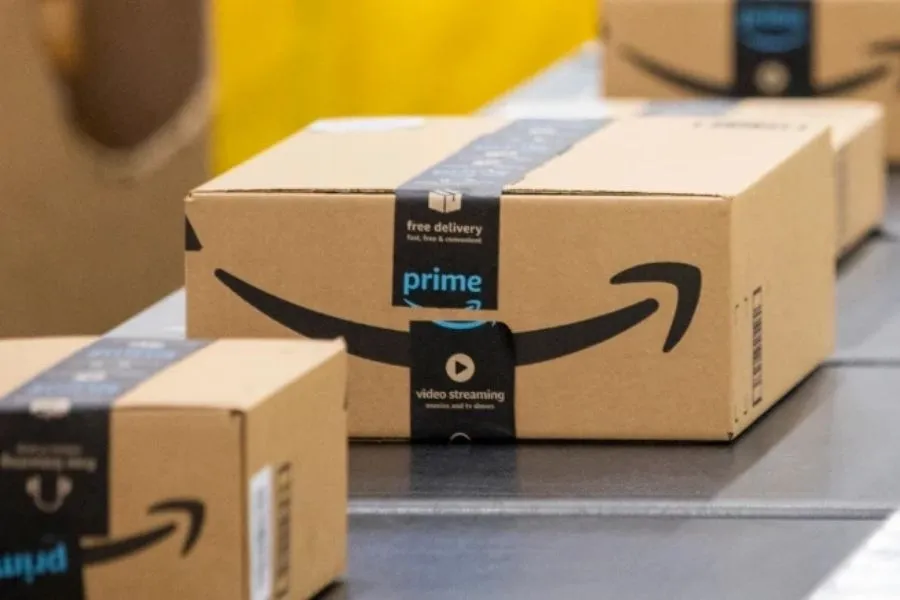
Once you’re set up with FBA, Amazon handles storage, shipping, customer service, and even returns. Here’s a simple breakdown of how the entire process works:
1️⃣ List Your Products for FBA
Choose which items you want Amazon to fulfill. Make sure that they meet Amazon’s requirements and check the fees using the Revenue Calculator.
2️⃣ Ship Your Inventory to Amazon
Prepare your products and send them to the designated Amazon warehouse using the Send to Amazon workflow.
It walks you through everything, from packing and labeling to creating the shipment. If you want to save time, you can use Amazon’s Prep Service or Label Service.
3️⃣ Amazon Handles Fulfillment
Once your products arrive, Amazon receives, stores, and tracks them.
When a customer buys something, Amazon picks, packs, ships the order, and manages all customer service and returns on your behalf.
4️⃣ Manage Your Inventory
Use your FBA Dashboard to monitor stock levels.
Tools like Restock Inventory, Replenishment Alerts, & FBA Liquidations help you avoid running out of inventory or paying extra long-term storage fees.
5️⃣ Scale & Grow Your Business
You can expand globally using programs like Amazon Global Logistics, Remote Fulfillment with FBA, and Amazon Export. These tools help you reach new customers and grow faster with less effort.
Amazon FBA Pros and Cons
Here’s a closer look at the advantages and drawbacks so that you can know if FBA is right for you.
Pros of FBA
✅ Hands-off logistics: Amazon stores your inventory, picks, packs, and ships your orders, and handles returns. This saves you hours of manual work.
✅ Scales effortlessly with your business: Whether you receive 5 orders or 5,000, Amazon’s fulfillment system grows with you. You can sell your products to people all over the world.
✅ Prime badge included: Your products automatically qualify for Prime’s fast, free shipping.
✅ Higher chance of winning the Buy Box: Sellers using FBA are usually prioritized for Buy Box placement because Amazon values delivery reliability, fulfillment speed, and customer support. Winning Buy Box can have a major impact on sales, particularly in competitive product categories.
✅ Discounted shipping rates: Amazon negotiates low carrier rates at scale. This gives cheaper shipping than you could typically get on your own.
✅ 24/7 customer service: Amazon handles customer inquiries, returns, refunds, and delivery issues promptly and efficiently. Shoppers always receive fast support.
✅ Access to massive storage space: FBA gives you the ability to store large amounts of inventory in Amazon’s fulfillment centers. You don't need to have a warehouse.
✅ Multi-channel fulfillment: Sell on E-commerce platforms like Shopify, BigCommerce, or eBay while still letting Amazon fulfill your orders quickly and professionally.
Cons of FBA
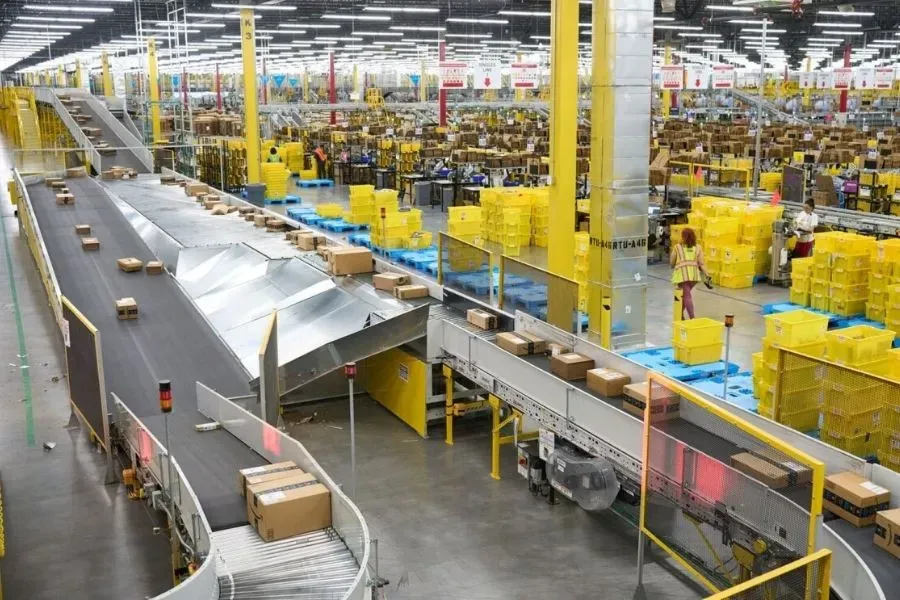
❌ It can be costly
Although FBA simplifies fulfillment, the fees can add up quickly, especially for low-priced, oversized, or slow-moving products.
❌ Requires continuous inventory management
Although Amazon handles order fulfillment, sellers must consistently monitor stock levels and replenish inventory on time. You need to maintain compliance to avoid delays or penalties.
❌ Limited branding opportunities
With FBA, your products are shipped in Amazon-branded boxes, which means less room for your own branding on the outside packaging.
This can be a downside for brands aiming to build a strong identity and recognition.
❌ Higher return rates
Many FBA sellers notice an increase in returns. This can be because of Amazon’s customer-friendly return policy.
The upside: Amazon now allows returns to be shipped directly to your facility instead of sending them back to an Amazon warehouse first. This gives you more control over inspecting and restocking returned inventory.
How Much Does FBA Cost?
Selling through FBA includes costs, of course. To sell on Amazon, you have 2 plans as follows:
⏩ Basic Selling Plans on Amazon ⏪
- Individual Plan: 0.99 $ per item sold - best for small sellers (under 40 items per month)
- Professional Plan: 39.99 $ per month - suitable for growing sellers needing ads, APIs and bulk tools
Besides the basic costs, you need to include these core costs when using FBA:
⭐ Fulfillment Fees
- Charged per unit.
- Based on size, weight, and category (apparel vs. non-apparel).
- Covers picking, packing, shipping, customer service, and returns.
- Includes a 3.5% logistics and fuel surcharge applied on top of the base fulfillment fee in 2026.
⭐ Storage Fees
- Charged monthly based on cubic feet.
- Off-peak (Jan–Sep): From $0.78/ft3 (standard-size).
- Peak (Oct–Dec): From $2.4/ft3 (standard-size).
- Oversized items cost slightly less per cubic foot but take up more volume.
⭐ Aged Inventory Fees (Long-term storage)
- Apply after 181 days in the warehouse.
- Range from $0.5/ft3 to $6.9/ft3 or $0.15/unit for items stored over 366 days.
⭐ Disposal & Removal Fees
Amazon charges a disposal fee for each item you ask them to destroy from your FBA inventory. These fees apply per unit and vary by product size and weight.
If you don’t want items disposed of, you can submit a removal order to have inventory returned to you instead, which also comes with its own handling and shipping fees.
⭐ Referral Fees (Amazon's commission on every sale)
- Charged on every order, separate from FBA fulfillment fees.
- Most categories: 8% to 15% of the item price (most products sit at 15%).
- Some niche categories (such as Amazon Device Accessories) go as high as 45%.
- Media items (Books, DVDs, music) also include a $1.80 closing fee per unit.
⭐ FBA Capacity Limits
Amazon caps how much inventory each seller can send to its warehouses, and the limit tightens during Q4 (Prime Day, Black Friday, December). Monitor your allocation in the Capacity Monitor inside Seller Central and request an increase through Capacity Manager well before peak season to avoid stockouts during your highest-sales weeks.
Smart Tip: You can use the FBA Revenue Calculator to quickly see the estimated costs and profits. This helps you determine whether FBA is the right choice.
⏩ Dangerous Goods (Hazmat) Costs ⏪
Hazmat products (battery-powered, aerosols, chemicals, magnets, etc.) incur higher storage and fulfillment fees. They require SDS/exemption documentation and must go through Amazon’s Dangerous Goods program.
Tips to Become A Successful FBA Seller
Succeeding with Amazon FBA isn’t about listing as many products as possible. It’s about making smart decisions early and scaling with data, not guesswork.
🎯 Start Small & Test First
Avoid sending large amounts of inventory right away. FBA storage and fulfillment fees add up quickly. Start with a small, well-chosen product selection. Test demand, learn the system, and scale only after you see consistent sales.
🎯 Choose Products Strategically
Not every “cool” product sells well on Amazon. Focus on items with steady demand, reasonable competition, and healthy margins. Smart product selection helps you avoid slow-moving inventory and long-term storage fees.
🎯 Use Data & Analytics
Rely on analytics tools to track demand, competition, and inventory performance. High-ranking products move faster but are competitive. Lower-ranking niches may sell more slowly but offer easier entry. Use data to balance risk and opportunity.
⏩ Expert Tip:
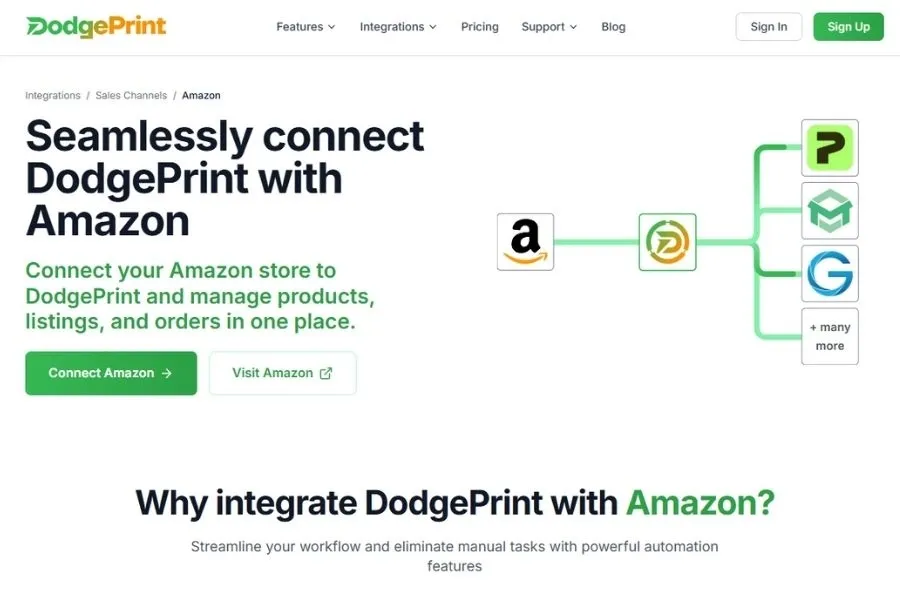
Smart FBA sellers don’t guess. Let DodgePrint assist you. You can connect seamlessly with Amazon and other e-commerce platforms like Etsy, Shopify, and TikTok Shop.
You can see the full picture of your POD business across platforms.
If you sell custom or print-on-demand products, it is worth weighing FBA against dedicated print-on-demand fulfillment services and the fastest-shipping POD suppliers, which often fit POD sellers better than Amazon’s warehouses. DodgePrint's Analytics Dashboard will show you sales, costs, profit margins, and other metrics in one place.
Success story of selling on Amazon: Scaling from 50 to 5,000 Orders a Month with DodgePrint
With DodgePrint, you can also:
- Track performance in real time on Amazon and across all connected stores
- Launch products faster with bulk & scheduled listings
- Keep designs organized using a centralized Smart Catalog
- Manage all orders in one dashboard instead of juggling platforms
- Optimize listings with AI to stay competitive
⏩ Start DodgePrint for free today!
🎯 Use Bundles to Stand Out
Bundling products is a simple way to beat price wars. Instead of competing on identical listings, offer extra value by combining related items. Bundles make your listing more attractive and harder to copy.
🎯 Build a Real Brand
Long-term success comes from branding, not just Buy Box wins. Sell quality products, work with reliable suppliers, and create listings that look professional and trustworthy. Strong branding also leads to better reviews and higher conversion rates.
🎯 Respond Quickly to Customers
Fast, polite responses build trust and improve seller metrics. Answer questions clearly and handle issues professionally. Good communication directly impacts reviews, repeat purchases, and Buy Box eligibility.
FAQs - What is FBA and How Does It Work

Is the FBA Revenue Calculator free?
Yes. Amazon’s FBA Revenue Calculator is completely free to use. It helps sellers estimate fulfillment fees, storage costs, and potential profit before listing a product.
How Many Products Should I Prepare to Start FBA?
If you’re new, start small to test demand, understand FBA fees, and inventory flow. You can launch as few as 1 product and gradually expand your product range with more confidence.
Are All Products Eligible To Be Sold on FBA?
No, not all products are eligible to be sold on FBA. Amazon has strict rules on what can be fulfilled through FBA.
Some items are restricted or prohibited, such as hazardous materials, certain liquids, and perishables. Always check Amazon’s FBA product restrictions before sending inventory to a fulfillment center.
What Are the Disadvantages of Amazon FBA?
The main drawbacks are cost and control. FBA fees can eat into margins on low-priced or oversized products, and storage fees climb during the October to December peak season. Sellers also face higher return rates due to Amazon's customer-friendly return policy, plus limited branding because orders ship in Amazon-branded packaging. Another quiet risk is inventory commingling: if your FBA products are the same as another seller's, they may be stored together, which can expose your listings to lower-quality units from less reputable sellers.
How Much Does Amazon Take from a $100 Sale?
On a typical $100 sale, expect Amazon to take roughly $25 to $40 in total. That includes a referral fee of 8% to 15% depending on category (most categories sit at 15%), an FBA fulfillment fee that varies by size and weight (often $4 to $10 for standard items), and any storage or surcharge fees that apply. A useful rule of thumb from experienced sellers is the "Rule of Three" - assume about a third of each sale will go toward FBA fees - then use Amazon's FBA Revenue Calculator to model exact numbers for your product.
Is Amazon FBA Worth It in 2026?
For most active sellers, yes. Roughly 82% of Amazon sellers use FBA because the Prime badge, Buy Box priority, and hands-off logistics still outweigh the fees. FBA works best for products with healthy margins (at least 30% after all fees), steady demand, and standard sizing. It is less suitable for very low-priced items, slow movers, or oversized goods where storage and fulfillment costs erode the margin.
Final Thoughts
Understanding What Is FBA and How Does It Work can be a game-changer. While fees and inventory planning require careful attention, FBA is still a powerful option for serious sellers. Combine FBA with DodgePrint to run and scale your business effectively.